
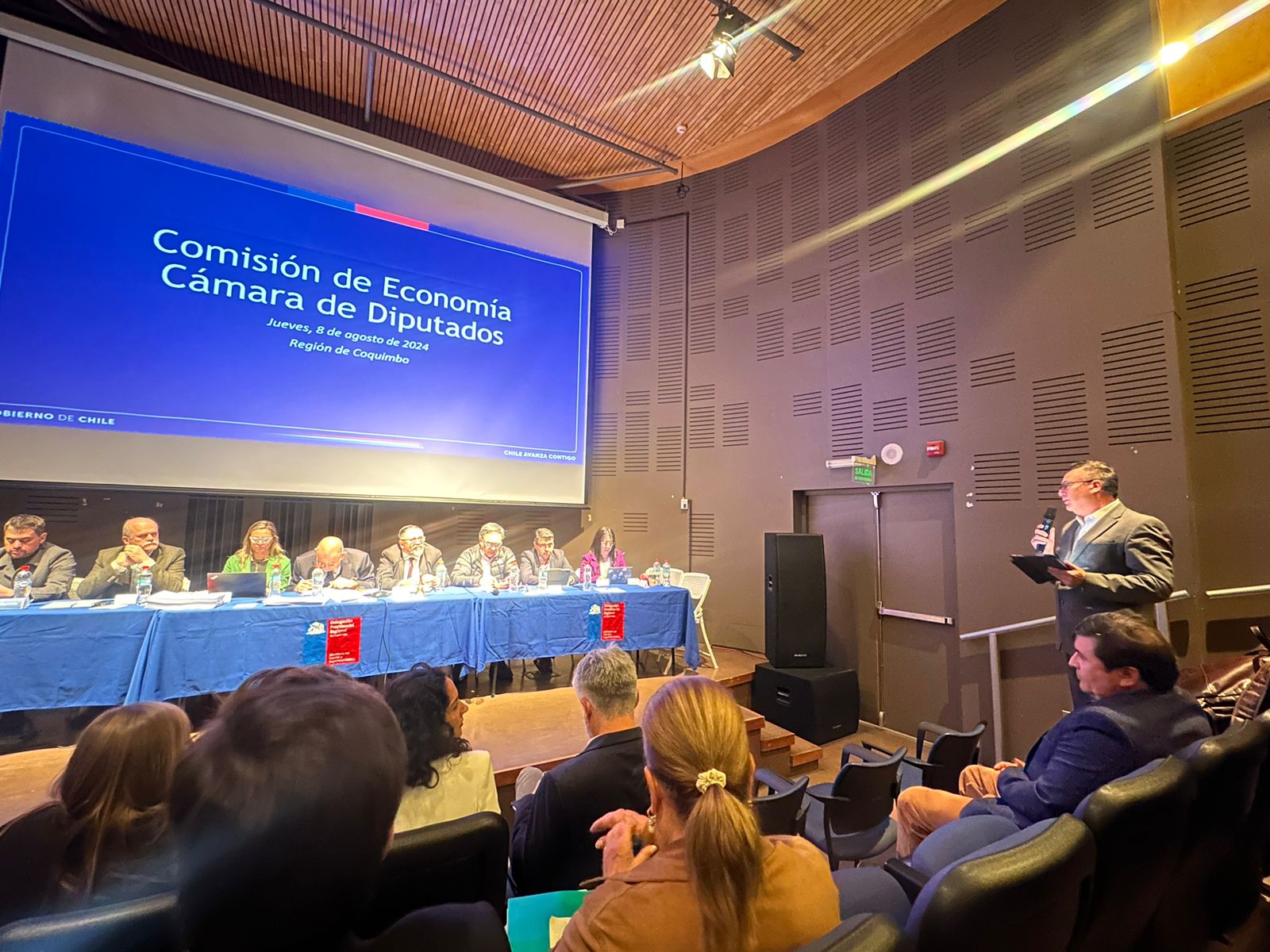
The Partner of Tax Consulting and Compliance at CCL Auditores Consultores represented the Coquimbo Industrial Association regarding the Anti-Evasion bill currently under discussion in Congress.
This Thursday, August 8, the Economy Commission of the Chamber of Deputies held a session in the city of La Serena regarding the bill on Compliance with Tax Obligations.
At the session, which included various authorities such as the Minister of Economy, Nicolás Grau, the Partner of Tax Consulting and Compliance at CCL Auditores Consultores, Christian Delcorto, presented the perspective of the Coquimbo Industrial Association (Asoinco) regarding the initiative currently under discussion in Congress.
In his presentation, the CCL partner focused on the issues that could affect SMEs within the bill. At the beginning of his presentation, he stated that “although we believe that Chile must move forward in modernizing its tax legislation and increasing tax collection to meet and satisfy the social needs of our population, we firmly believe that the stability of SMEs in our region and across the country must also be safeguarded. Therefore, we propose reviewing certain aspects of the bill.”
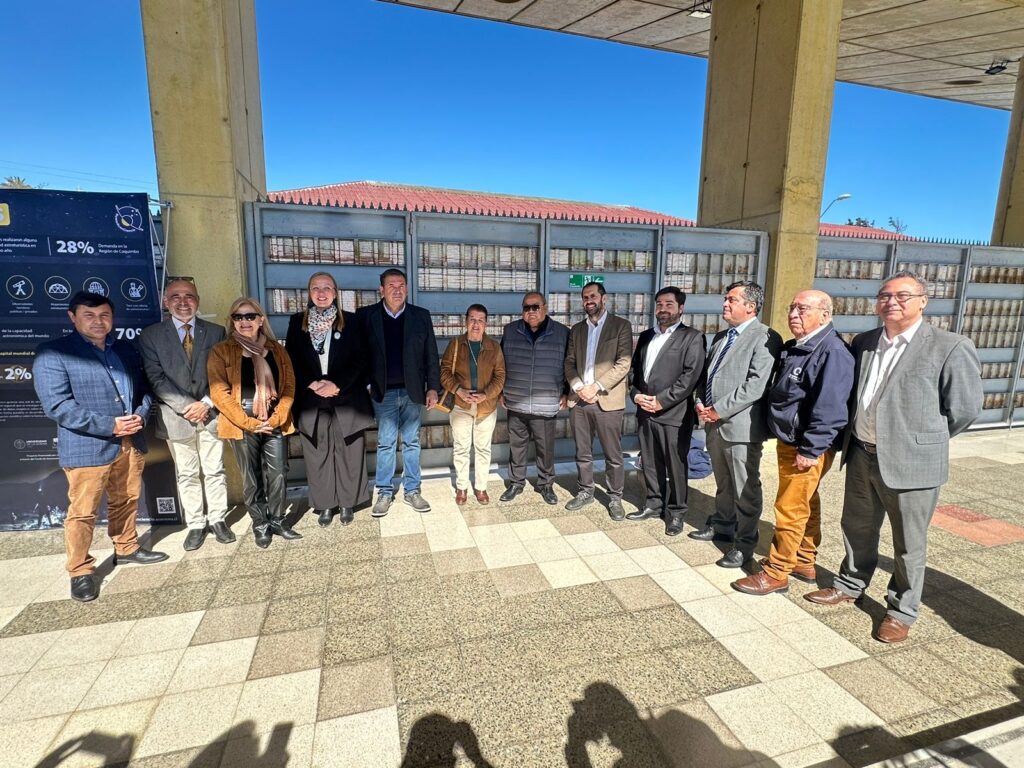
Among the topics addressed by Delcorto, and that Asoinco seeks to modify in the Tax Compliance bill, are:
- Corporate income tax rate (IDPC) for SMEs: “That the rate be maintained or, alternatively, increased to 15%, a rate consistent with the global minimum tax of 15% on corporate income under the OECD and G20 project agreed upon in 2021 within the so-called Inclusive Framework.”
- DEDECON: The bill includes an “increase of 30 staff members; however, this important public service for assisting and supporting entrepreneurs is a centralized body with no presence in the regions of the country, meaning its services are provided virtually. Given the complexity of tax matters and that the current bill allows DEDECON to assist taxpayers not only in their relationship with the SII but also before the National Customs Service and the General Treasury of the Republic, we request that part of the staff be allocated to regional areas, for example, enabling DEDECON officials to address inquiries through the ChileAtiende network.”
- New mechanism for exporter VAT refund (Art. 36): A reimbursement rule is introduced, where “we request that reimbursement not be applied when the refund is based on fixed assets.”
- Application of the General Anti-Avoidance Rule (GAAR) to SMEs: The bill “raises the threshold from 250 UTM to 1,000 UTM (CLP $65,901,000[1]) in tax differences for the GAAR to be applied. Other associations have indicated that with this increase, the rule would not apply to SMEs; however, we consider this statement to be entirely incorrect. For example, in a transaction of CLP $350 million, the rule could still be applied if the difference observed by the SII is due to a VAT discrepancy of CLP $66,500,000. Therefore, we believe the threshold is not sufficient to prevent affecting SMEs. Internationally, GAAR provisions aim to curb aggressive tax planning in significant or material transactions carried out by large corporations. Thus, if the Executive’s intention is not to affect SMEs, we request that the regulation explicitly state that it will not apply to small and medium-sized enterprises, as is already the case in Article 64, paragraph IV regarding valuation.”